


Driving Quality: MoEYS and World Bank Inspect HEIP2 Progress at Regional Universities
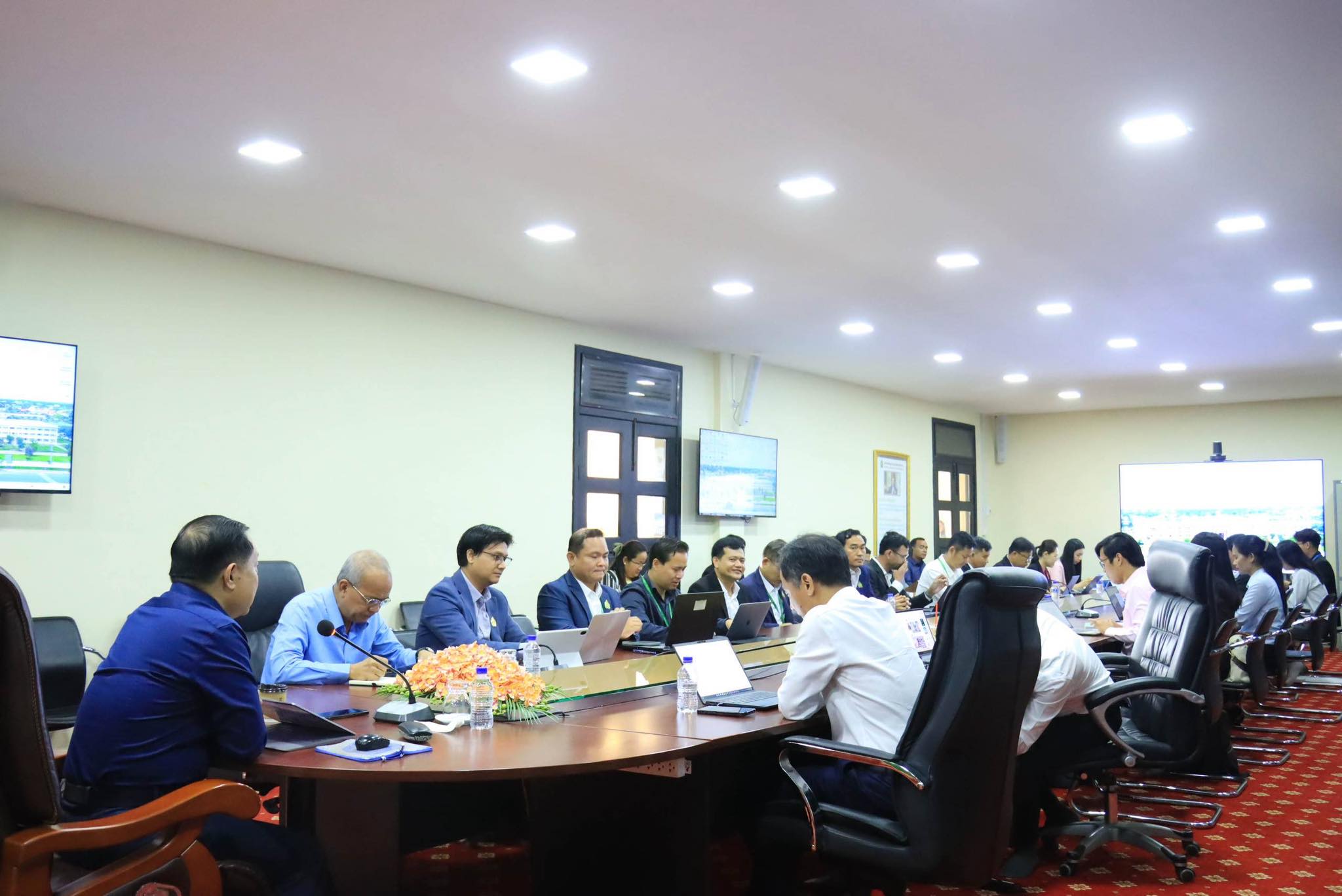
PHNOM PENH, March 2-4, 2026 — A high-level delegation, led by H.E. Dr. Som Ratana, Deputy Secretary of MoEYS, and Dr. Noh Fata, Senior Education Officer of the World Bank, conducted an intensive three-day inspection of four key provincial universities. The mission’s goal was clear: verify that the millions of dollars in investment are translating into real-world improvements for students and faculty.
The Targeted Institutions
The inspection focused on four universities that serve as the educational pillars for their respective regions:
- Svay Rieng University (SRU)
- Chea Sim Kamchaymear University (CSKU)
- Heng Samrin Tbong Khmom University (HSTKU)
- National University of Battambang (NUBB)
What is HEIP2?
Building on the success of the first Higher Education Improvement Project, HEIP2 (running from 2024 to 2030) is a multi-million dollar initiative funded by the World Bank and the Royal Government of Cambodia.
The project focuses on three primary components:
- Component 1: Academic & Research Excellence: Modernizing curricula in STEM and Agriculture to meet national and international standards.
- Component 2: Sectoral Governance: Strengthening the management systems within universities to ensure transparency and accountability.
- Component 3: Emergency Response: Providing the infrastructure needed for universities to remain resilient during crises (e.g., digital learning systems).
Key Outcomes of the Inspection
This wasn’t just a formal visit; it was a “practical inspection” aimed at real-time problem solving:
- Direct Support: The delegation met with practitioners on-site to identify bottlenecks in project implementation.
- Timely Implementation: Discussions focused on ensuring that infrastructure projects (labs, classrooms) and research grants are being managed according to the strict timelines set by the World Bank.
- Competency Mapping: Ensuring that the newly modernized academic programs are producing graduates with the skills actually required by Cambodia’s growing industrial sector.
At Schools Cambodia, we believe that the success of HEIP2 is essential for decentralizing quality education. When regional universities like NUBB and SRU thrive, they provide local youth with the tools to innovate within their own communities, reducing the need for migration to the capital.