



Strengthening the Foundation: BEIP Progress Review and Strategic Planning
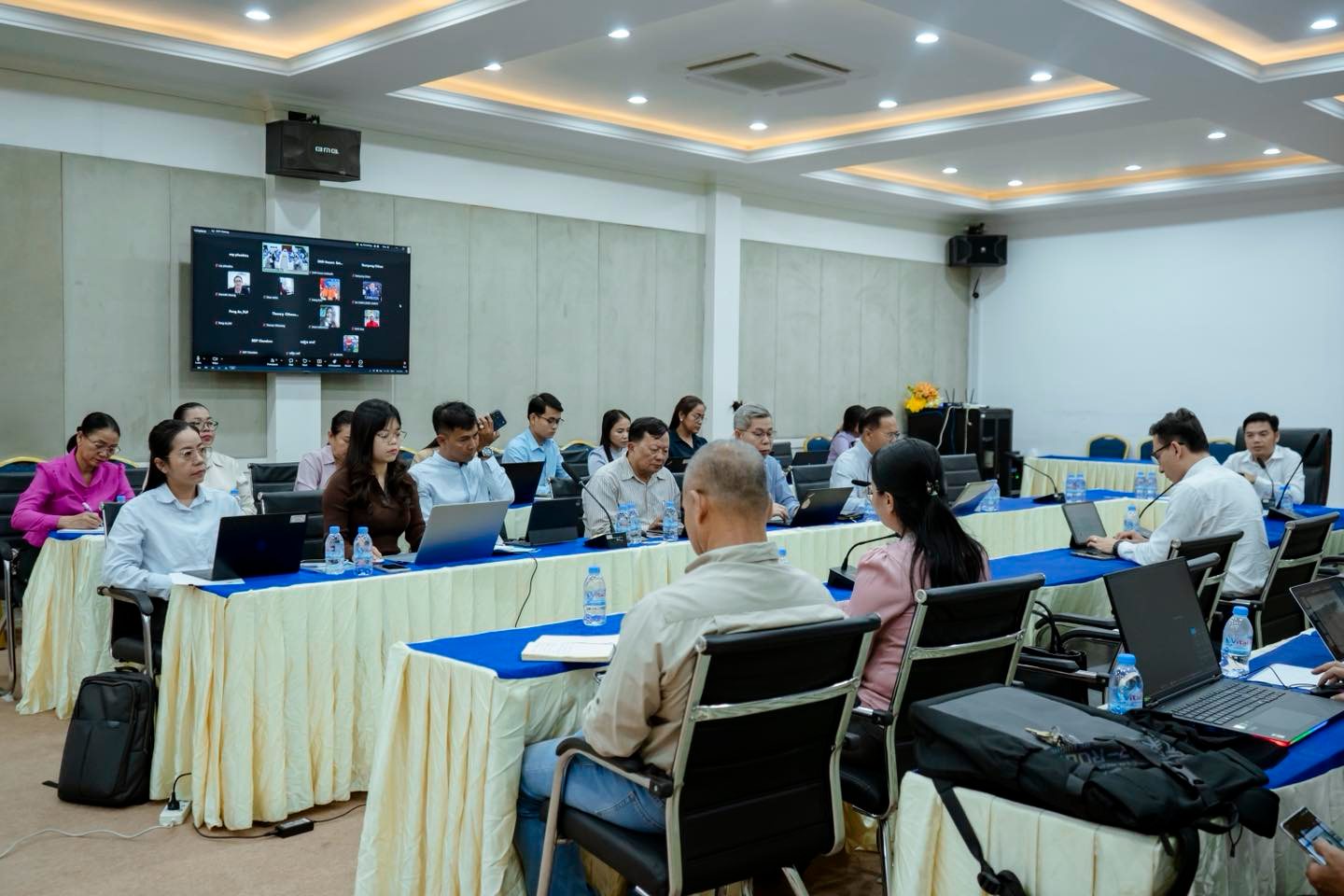
PHNOM PENH, February 24, 2026 — Leadership and technical experts gathered this week for a critical review of the Basic Education Improvement Project (BEIP). Chaired by Professor Heng Kreng, Deputy Secretary-General and Chief of Project Management, the meeting brought together 44 project members (28 in person and 16 via Zoom) to evaluate the project’s current trajectory and address upcoming challenges.
A Holistic Approach to Education Quality
The BEIP is a comprehensive initiative designed to touch every level of basic education. During the review, Professor Heng Kreng highlighted several key sectors that are seeing active implementation:
- Early Childhood Development: Focusing on Nursery Development and School Readiness Programs to ensure children are prepared for the transition to primary school.
- Literacy & Numeracy: Expanding the “Power Package” and the First Grade Mathematics program to solidify core academic skills early on.
- Modern Pedagogy: Implementing Adaptive Teaching methods that allow educators to tailor their instruction to the diverse needs of their students.
- Infrastructure & Management: Upgrading school facilities and enhancing the Institutional Capacity of educational staff to manage schools more effectively.
Overcoming Challenges for Future Success
While celebrating achievements, the meeting served as a forum for honest discussion regarding operational challenges. The project leadership emphasized:
- Component Reporting: Ensuring every section of the project provides transparent data on its progress.
- Action-Oriented Solutions: Setting the stage for detailed, section-specific discussions in the next phase to resolve bottlenecks in infrastructure and staff training.
- Sustainability: Maintaining the momentum of the “Power Package” expansion to reach more rural areas.
From our perspective at Schools Cambodia, the BEIP is the engine driving the modernization of public education. By focusing on “School Readiness” and “Adaptive Teaching,” the Ministry is moving away from a one-size-fits-all model toward a system that truly supports every learner’s individual journey.