



The PISA Challenge: MoEYS Outlines 2026 Strategy for Analytical Excellence
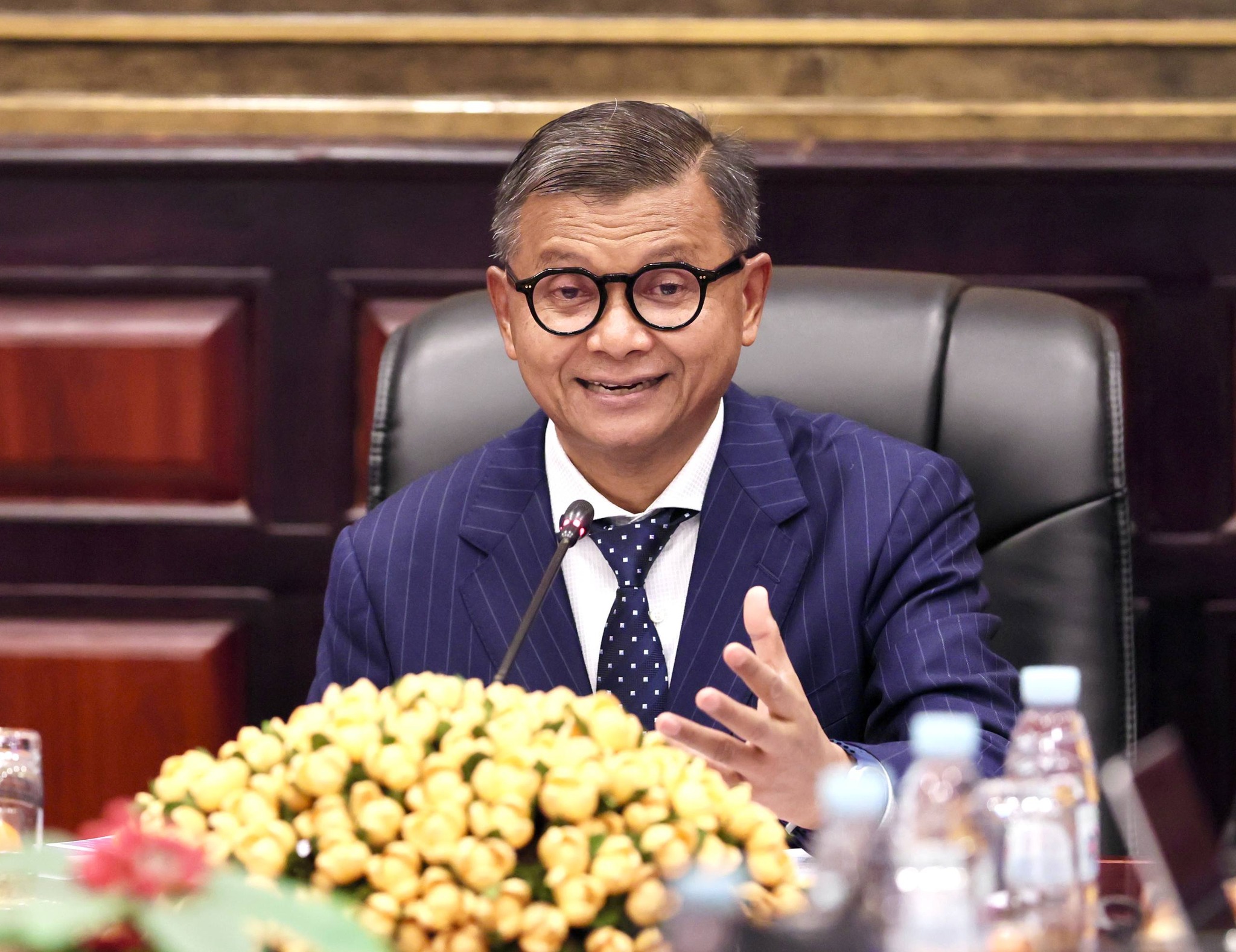
PHNOM PENH, March 3, 2026 — In a high-level technical meeting held at the Ministry Office, H.E. Dr. Hang Chuon Naron, Deputy Prime Minister and Minister of Education, Youth and Sports, officially set the roadmap for Cambodia’s response to the PISA international assessment.
Recognizing that the PISA test—organized by the OECD—is the world’s premier benchmark for math, science, and reading, the Ministry is launching a comprehensive overhaul of the national curriculum to prioritize Competence-Based Education (CBE).
A Multi-Pillar Reform Strategy
To improve PISA results and, more importantly, student outcomes, the Deputy Prime Minister outlined several critical interventions:
- Curriculum & Textbook Reform: Integrating analytical questionnaires and “problem-solving” scenarios directly into standard textbooks to move away from rote memorization.
- Early Foundations: Strengthening “Early Grade Reading” and “Early Mathematics” to ensure the cognitive foundation is set long before students reach age 15.
- The “New Generation” Model: Compiling successful methods from New Generation Schools (NGS) into official teacher guidebooks to be scaled nationwide.
- Debating & Critical Thinking: Encouraging teachers to use debating techniques in the classroom to stimulate “analytical solution skills” and independent thought.
Why PISA Matters for Cambodia’s Digital Age
From our perspective at Schools Cambodia, this move is about more than just a test score. PISA evaluates how well students can apply their knowledge to real-life challenges. By aligning with these standards, MoEYS is:
- Ensuring Economic Readiness: Preparing students to engage socially and economically in an increasingly automated global workforce.
- Boosting Teacher Competency: Shifting the role of the teacher from a “lecturer” to a “facilitator of thinking.”
- National Pride: Building a foundation where Cambodian students can stand “tall with confidence” alongside their international peers in the OECD rankings.
We applaud the Ministry’s dedication to this “long-game” strategy. As we refine our textbooks and teaching methods, we aren’t just preparing for a test—we are preparing a generation for the challenges of the 21st century.