


Strategic Research: MoEYS to Analyze the Stability and Growth of Private Schools
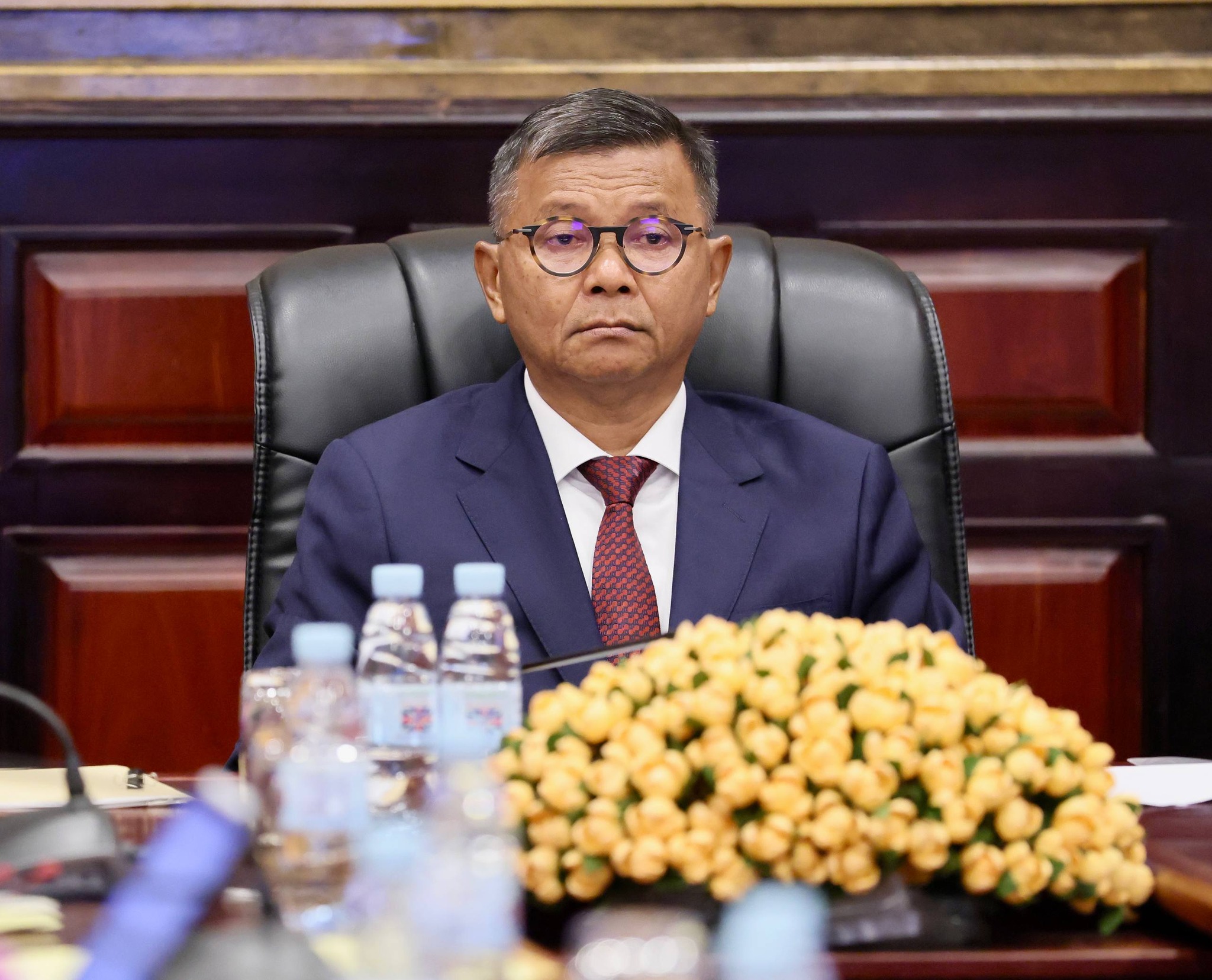
PHNOM PENH, February 16, 2026 — In a move to strengthen the “Educational Ecosystem,” H.E. Dr. Hang Chuon Naron, Deputy Prime Minister and Minister of Education, led a high-level orientation meeting this morning focused on the future of private education in Cambodia.
The research project, titled “Analyzing Trends, Challenges, and Policy Directions of the Growth of Private Educational Institutions,” aims to create an evidence-based roadmap for the thousands of private schools currently operating in the Kingdom.
A Focus on Factual Foundations
The Deputy Prime Minister emphasized that policy cannot be built on guesswork. He directed the technical team to conduct a comprehensive “360-degree survey” that includes:
- Quantitative Deep-Dives: Collecting verified data from kindergarten through to higher education.
- Curriculum Comparison: Analyzing the impact of both national programs and international frameworks like the International Baccalaureate (IB).
- Stakeholder Feedback: Direct consultation with school boards, parents, and investors to ensure data is “well-sourced and technically correct.”
Preventing “School Collapse” and Financial Risk
One of the most significant points of discussion involved the economic viability of private institutions. The Ministry expressed concern over the “risk of collapse” for certain schools, which can occur when:
- High Operating Costs exceed the local economic reality.
- Student Enrollment numbers fail to meet sustainable targets.
- Investment Management mechanisms are not robust enough to handle market shifts.
By studying these management mechanisms, MoEYS aims to protect families and students from sudden school closures and ensure that every private institution is built on a stable financial foundation.
Improving Quality and Standard Recognition
The meeting concluded with a call for an open forum with private school owners. This dialogue will focus on removing operational barriers and improving the Recognition of Standards. For parents, this means a future where private school certifications are more consistently validated and aligned with both national and international excellence.