


New Paths to Success: Closing Highlights of the 2026 National Education Conference
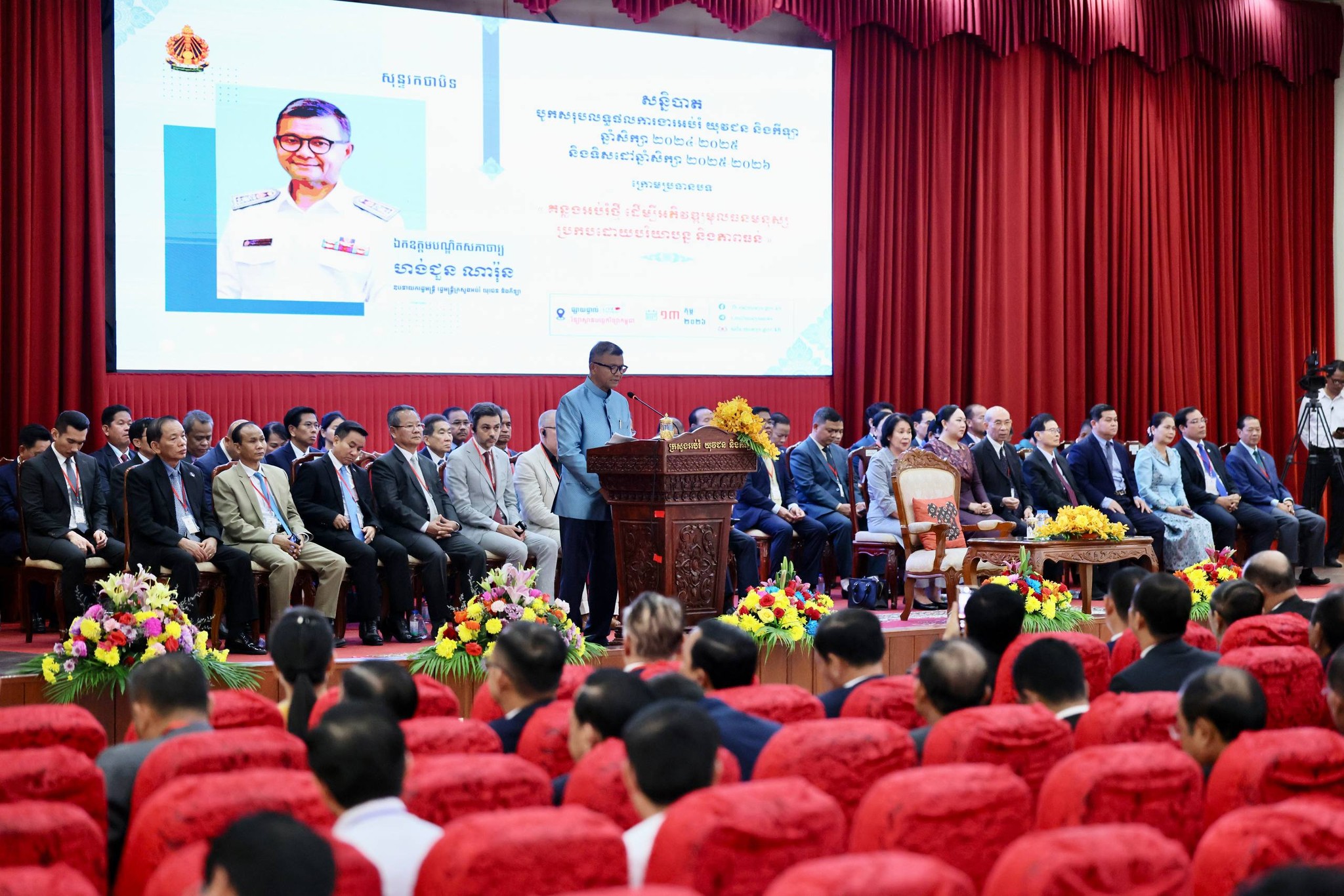
PHNOM PENH, February 14, 2026 — The three-day National Education Conference concluded today at the Institute of Technology of Cambodia (ITC), outlining a bold new direction for the 2025-2026 academic year. Under the theme “New Education Paths to Develop Human Capital with Environment and Resiliency,” the Ministry of Education, Youth and Sport (MoEYS) signaled a shift toward high-tech, outcome-based learning.
A Decade of Reform: Celebrating Progress
The Deputy Prime Minister highlighted the massive strides Cambodia has made over the last 10 years, specifically noting:
- International Recognition: Cambodia’s success in the SEA-PLM (Southeast Asia Primary Learning Metrics) evaluation, which saw a significant jump in student scores in reading and mathematics.
- New Generation Schools (NGS): The expansion of modern school models that prioritize STEM and digital literacy.
- Infrastructure & Nutrition: A focus on school catering and improved ecosystems to support learning in a digital context.
Strategic Response to a Changing World
The conference acknowledged that today’s students are graduating into a world of “power competition, trade wars, and AI disruption.” To protect Cambodia’s social stability and economic growth, the Ministry is focusing on two major “New Paths”:
1. The Model School Standards
MoEYS aims to make “Model Schools” the norm, not the exception.
- School Alliances: Linking model schools with neighboring regional schools to share best practices.
- Targeted Aid: Analyzing data to provide specific help to disadvantaged schools so they can meet national standards.
2. Specialized Educational Pathways
Beginning as early as Grade 7, students will receive orientation to help them choose a path that fits their skills—whether technical, vocational, or academic.
- Private Sector Collaboration: Aligning curriculum with what the job market actually needs.
- AI & Technology: Using Artificial Intelligence as a tool for teaching while preparing students for the “new skills” that AI will create in the workforce.
Key Priorities for Elementary & Secondary Education
The Ministry laid out a 10-point plan for Secondary schools to improve PISA (Program for International Student Assessment) results:
- Digital Integration: Using tech for daily teaching.
- Parental Involvement: Moving education from the classroom into the home.
- School Governance: Strengthening the leadership of school principals.
- Equity: Ensuring students in remote or conflict-affected areas receive the same quality of service.
A Tribute to Resilient Educators
In a moving conclusion, H.E. Dr. Hang Chuon Naron expressed deep gratitude to teachers in the seven provinces affected by border conflicts. Despite regional instability, these educators have remained at their posts, embodying the “spirit of unity and patriotism” that the Ministry hopes to instill in every student.
“Education must be resilient; it must continue through innovation in accordance with practical contexts.”