



Roots of Learning: Makson International Academy Students Explore the Wonders of Nature
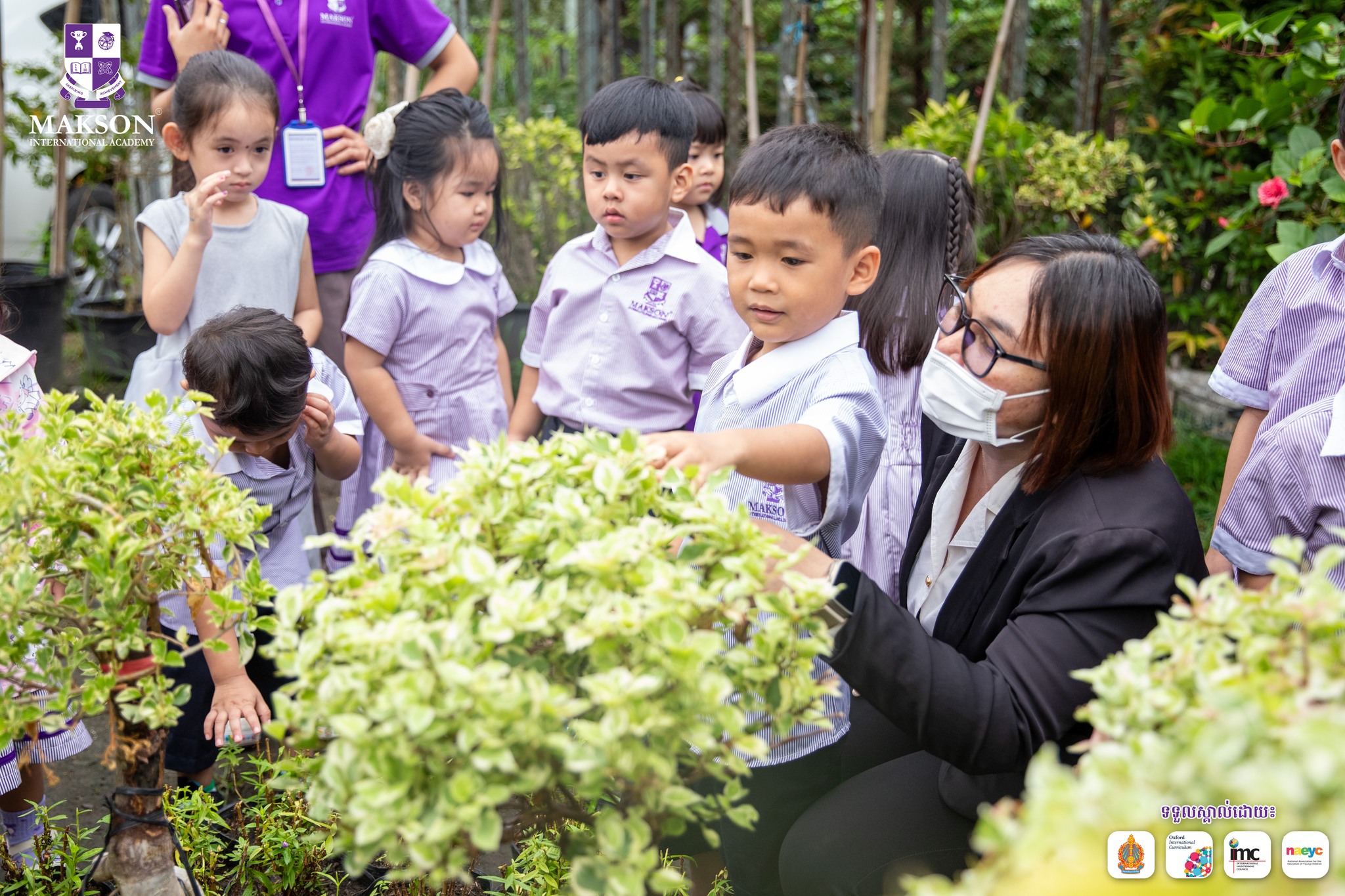
PHNOM PENH, February 27, 2026 — The youngest explorers from Makson International Academy (Campus 598) recently traded their desks for dirt and discovery during an immersive field trip to a local plant nursery. The outing, designed for Lower Pre-K and EY3 students, served as a hands-on introduction to biology, ecology, and the patient art of gardening.
Discovering the Cycle of Life
The nursery visit was a multi-sensory experience that allowed children to move beyond picture books and interact with the living world. Key learning moments included:
- The “Scientist” Selection: Each student had the opportunity to choose a specific plant to take back to their classroom for ongoing study, fostering a personal connection with their subject.
- The Life of Flora: Students witnessed the various stages of plant growth—from tiny seeds and sprouts to mature plants that provide food and beauty.
- Nature’s Tiny Residents: Exploring the nursery also allowed children to observe “tiny animals” and insects, learning how they interact with plants in a balanced ecosystem.
The Therapeutic Power of Green Spaces
From our perspective at Schools Cambodia, this trip highlights an important trend in modern education: Nature Therapy. The academy noted that visiting botanical gardens acts as a form of “psychological therapy” for young children, offering:
- Stress Reduction: The calm, green environment helps reduce tension and heighten relaxing emotions in early learners.
- Cultivating Patience: Gardening teaches children that good things take time—you cannot rush a flower to bloom or a fruit to grow.
- Responsibility & Empathy: Learning to nurture a living thing builds a sense of duty and respect for all forms of life.
We are incredibly proud of these young students for their enthusiasm and the respectful way they engaged with Cambodia’s beautiful flora.
1 Comment

It’s so heartening to see Makson International Academy prioritizing Nature Therapy; the impact of green spaces on a child’s emotional resilience is often undervalued in traditional curricula. While researching similar experiential learning models for my own kids, I came across some interesting data on how these environments specifically boost long-term focus, but I’m trying to verify if the methodology aligns with the one mentioned in the article. Has anyone here had a chance to compare these findings with the resources at guiadeVbetbrasil.com to see if they offer a similar curriculum framework for early years?