



Designing for the Tropics: NPIC Hosts Expert Lecture on Passive Cooling and Ventilation
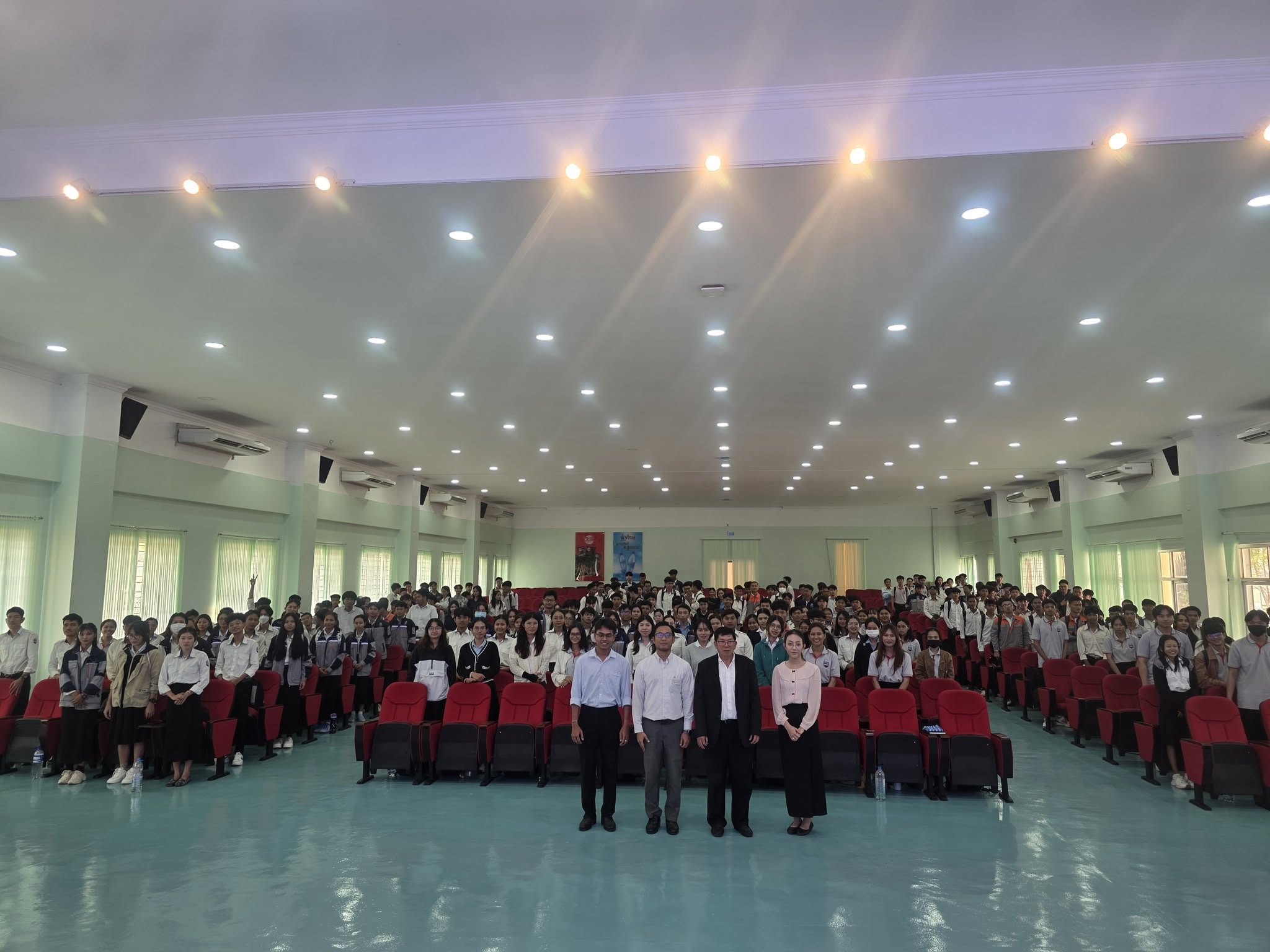
PHNOM PENH, February 25, 2026 — The Faculty of Civil Engineering & Architecture at NPIC hosted an essential technical lecture this week, focusing on the future of sustainable construction in the Kingdom. Led by experienced educator Teacher Ek Sophea, the session provided architecture and civil engineering students with the scientific tools needed to reduce our national carbon footprint through smarter building design.
Key Technical Pillars: Cooling Without Electricity
The lecture moved beyond traditional aesthetics to focus on Building Science, covering three critical areas for tropical design:
- Passive Cooling Techniques: Strategies to minimize heat gain and maximize heat loss using the building’s envelope (walls, roof, and windows) rather than relying on energy-intensive air conditioning.
- Natural Ventilation: The physics of airflow—learning how to position openings to harness the “stack effect” and cross-ventilation to keep indoor spaces fresh and cool.
- Air Change Rate (ACR): A vital health metric. Students learned to calculate how many times the air inside a room is replaced by outside air every hour, ensuring a healthy environment free of pollutants and excess humidity.
Why This Matters for Cambodia
From our perspective at Schools Cambodia, this training is a game-changer for the local construction industry. As electricity costs and temperatures rise, the ability to design “breathable” buildings is becoming a high-demand skill.
Benefits of these techniques include:
- Energy Savings: Dramatically lower electricity bills for future homeowners and businesses.
- Public Health: Proper Air Change Rates prevent “Sick Building Syndrome” and the spread of airborne illnesses.
- Climate Resilience: Designing buildings that remain habitable even during power outages or extreme heatwaves.
We extend our gratitude to Teacher Ek Sophea for equipping NPIC students with the innovation needed to build a greener, more sustainable Cambodia.